


Non-equilibrium routes to control the switching cycle in phase-change materials
Phase-change materials (PCMs) are characterised by an unconventional combination of properties: i) their amorphous and crystalline phases have a significantly different electrical resistance, and ii) they can be rapidly switched between both states. Such characteristics are ideally suited for non-volatile electronic memories, and in fact PCMs are at the base of a number of available technologies and are promising candidates for newly envisaged applications ranging from universal memories to neuro-inspired computation. A better understanding and control of the crystallisation/amorphization cycle would allow to find
strategies to make the crystallisation process even faster and compatible with the requirements for RAMs, or to control the ageing process of the amorphous state so to write multiple logic states in a single memory cell. The electronic structure of PCMs is the result of the competition between two mechanisms: resonant bonding and Peierls distortion. PCMs are therefore at the crossroad between covalently-bonded insulators (amorphous state) and incipient metals (crystalline phase). The proximity to this bonding instability makes PCMs a fascinating topic of research also from a fundamental point of view, as they are particularly responsive to both thermodynamic parameters and external stimuli. Amorphization can be achieved, for instance, by melt-quenching as well as by ultrashort laser irradiation. In this project, we aim at improving the understanding of the crystallisation/amorphization process by comparatively exploring these thermal and non-thermal routes on the reference germanium telluride (GeTe) and germanium antimony telluride (Ge2Sb2Te5) PCMs. In order to do so, we will investigate their properties experimentally and theoretically, exploiting a suite of characterization methods, and interpreting the experimental results on the basis of new theoretical approaches. Our vision is based on the idea that amorphous states emerging from different histories are structurally different, with different physical properties and crystallisation rates. Comparing such different routes of amorphization will then allow us to better understand the role, in the switching cycle, of the out-of-equilibrium structures present in the amorphous state. This will guide us towards preparation protocols to optimise the material properties for the newly envisioned technological applications.
The research team of NEUROCYPHER
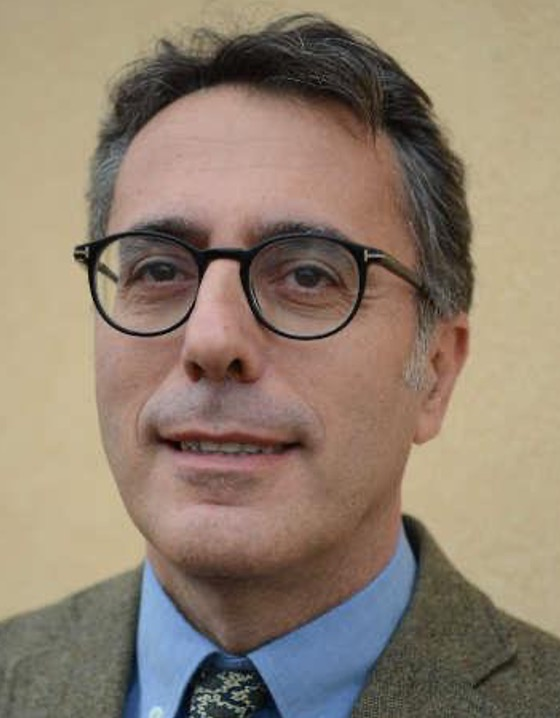
Giulio Monaco, UNIPD

Matteo Calandra Buonaura, UNITN
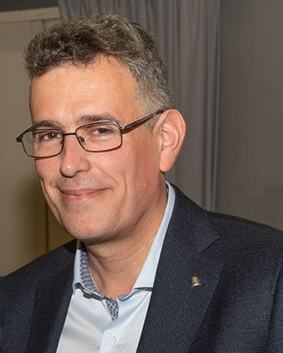
Simone Capaccioli, UNIPI

Jacopo Baglioni, UNIPD

Diego Josu, UNITN
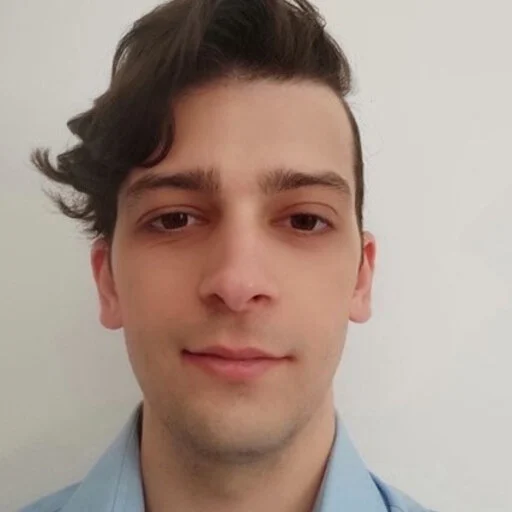
Daniele Sonaglioni, UNIPI

Francesco Pecorella, UNITN